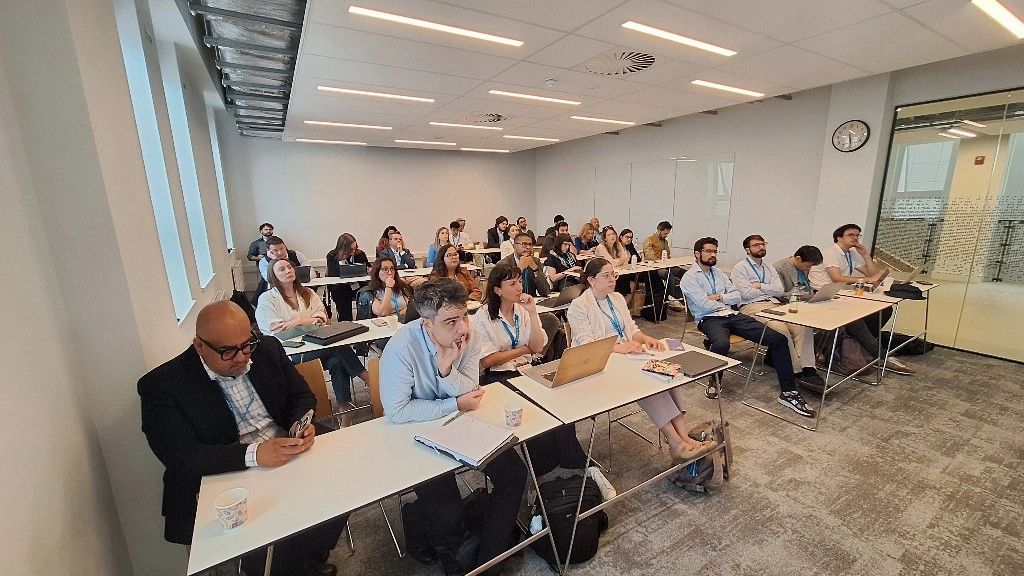
This year’s ICON•S Annual Conference, aka the (“Coachella of public law”), brought together scholars working at the intersection of public law with technology, identity & truth. As such, we were delighted to see many Digital Constitutionalism Network members contributing to discussions across a range of panels, reflecting the breadth of research taking place within our network.
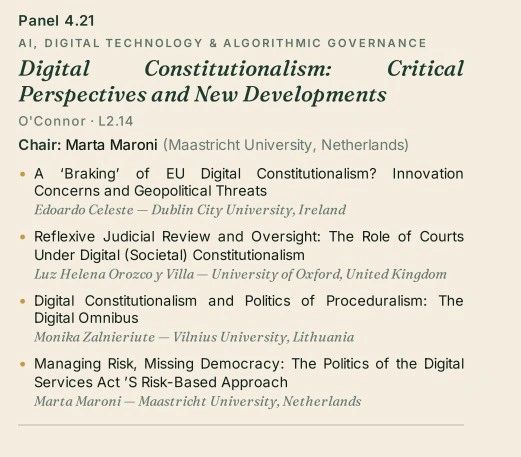
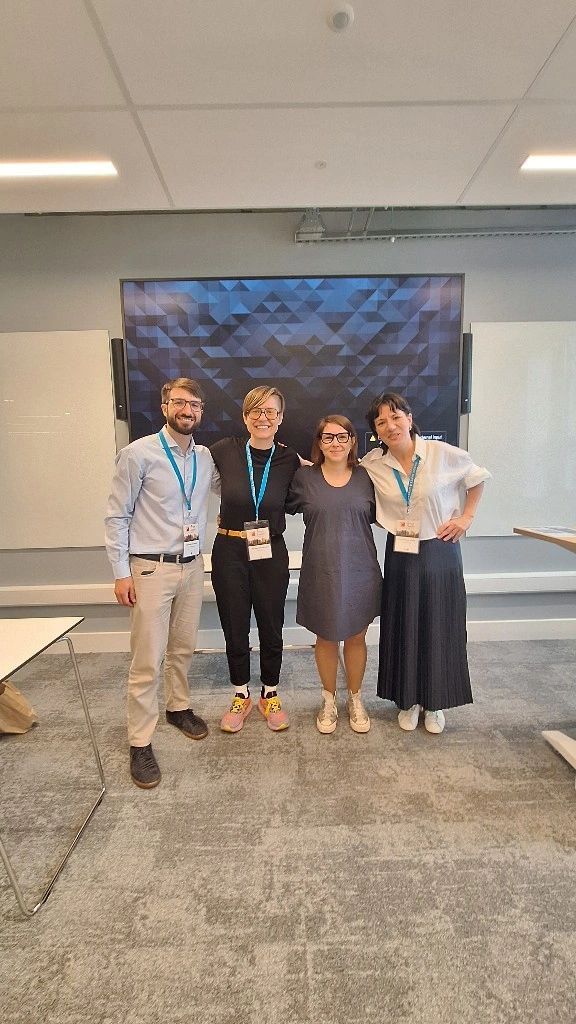
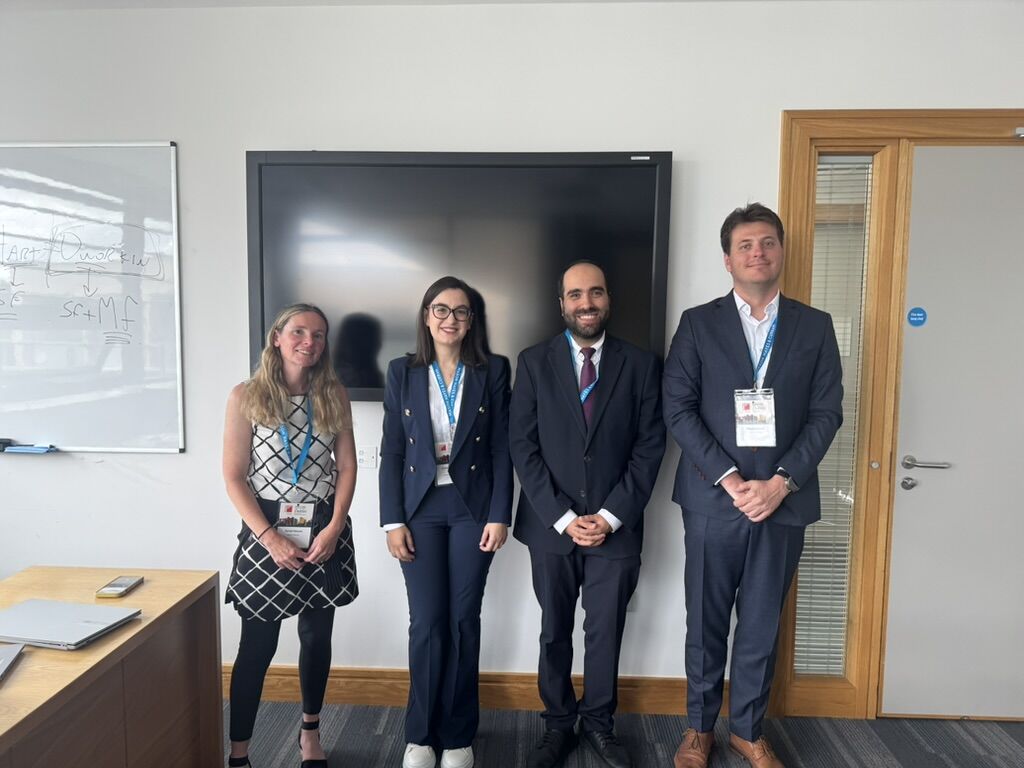
Indeed, several of our members teamed up for the panel “Digital Constitutionalism: Critical Perspectives and New Developments”. Expertly chaired by Marta Maroni, the panel explored how current geopolitical developments, courts and emerging deregulatory initiatives are (re)shaping debates on digital constitutionalism and, in turn, raise questions about rights, democratic governance and the distribution of power in digital environments.
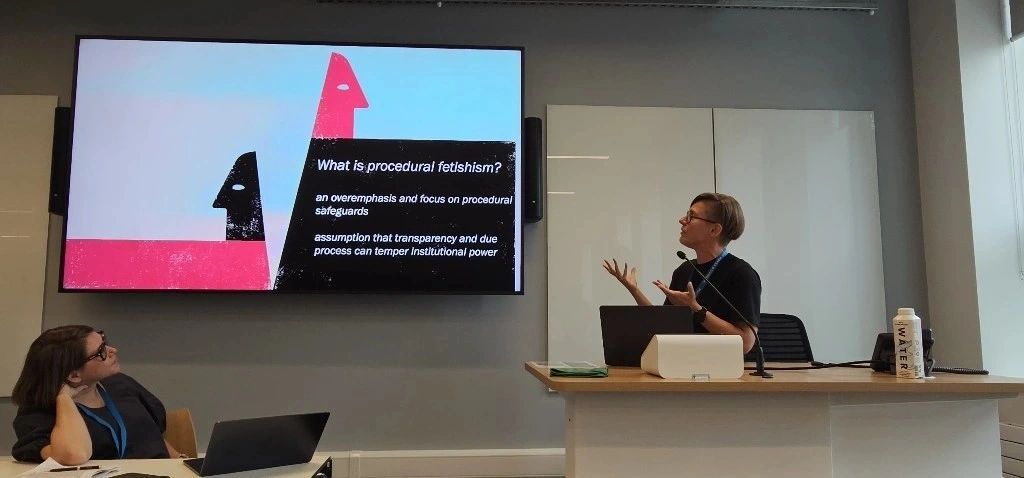
• In their presentation, Monika Zalnieriute examined the proposed Digital Omnibus as a paradigmatic expression of procedural fetishism.
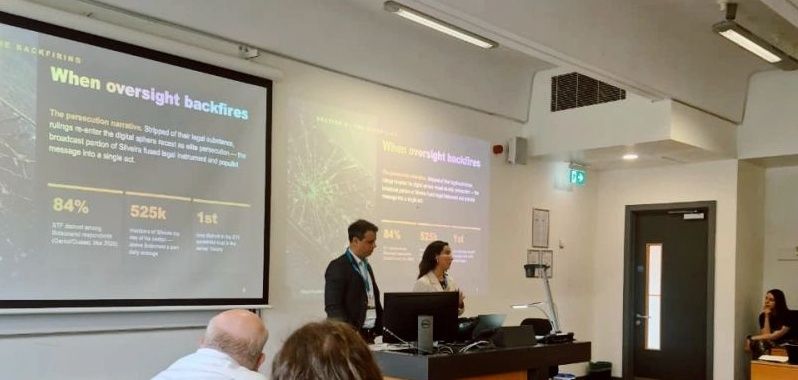
• Edoardo Celeste, on the other hand, presented research conducted together with Elizabeth Farries, Dennis Redeker and Karolin R, that compares Social Media Councils (SMCs) with the DSA’s out-of-court dispute settlement (ODS) bodies, asking how these mechanisms can effectively ‘constitutionalise’ platform practcies.
Beyond this joining of forces, other DCN members contributed the following insights to this year’s edition of ICON•S:
• As part of the panel “Emergency Powers: Parliaments, Courts and Foreign Affairs”, Marie-Luce Paris and Edoardo Celeste explored how technological developments challenge traditional understandings of war, identity and constitutional truth. To do so, they used the lens of Irish constitutional law.
• Marta Maroni also co-organised the roundtable, “The Future: Sociotechnical and Constitutional Imaginaries as Methods for Studying the Formation of Law and Power”, as part of which she discussed how legal constructions of data shape the social, political and economic futures that become possible within the EU.
Further two of our DCN visiting fellows presented their doctoral research:
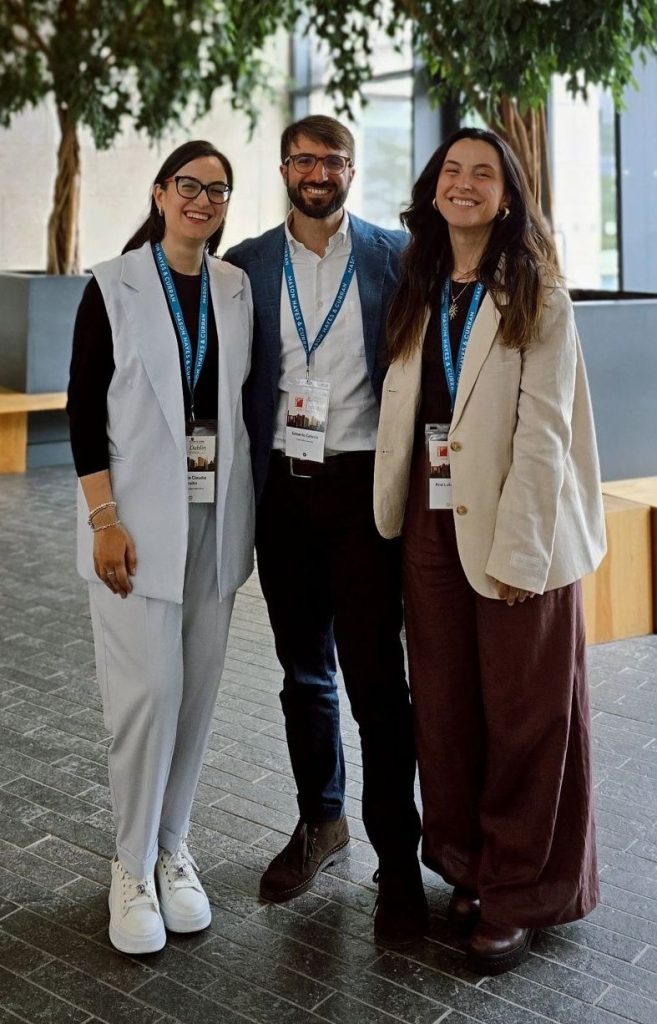
• Ana Luiza Pinto Coelho Marques, DCN visiting fellow at DCU Law and Tech Research Cluster, also presented two papers. First, her research with Emilio Peluso Neder Meyer on digital populism in Brazil and, second, her work on elections and content moderation in Brazil and Australia.
• Likewise, DCN visiting fellow Cesaria Claudia Losito (also with DCU Law and Tech Research Cluster), gave a paper that argued that the rise of governance by indicators represents a profound transformation of public power that challenges traditional public law categories by reconfiguring normative judgment through numerical truth claims.
It is encouraging to see these many interventions from the DCN at ICON•S, one of the leading international gatherings for public law scholars, and we look forward to seeing what becomes of the authors’ papers!