Digital Bills of Rights Database – finalist
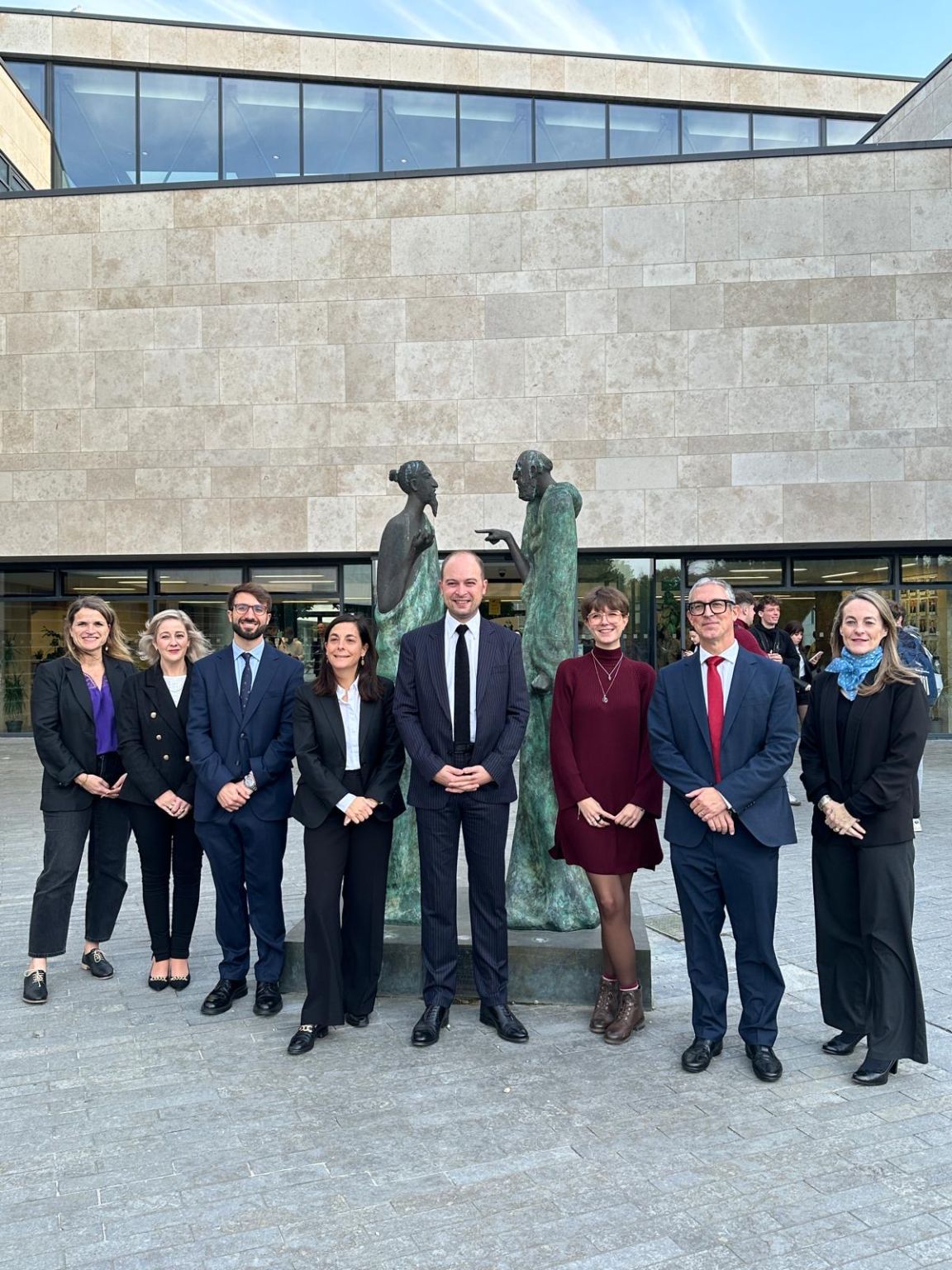
We are proud to share that the Digital Constitutionalism Network’s Digital Bills of Rights Database
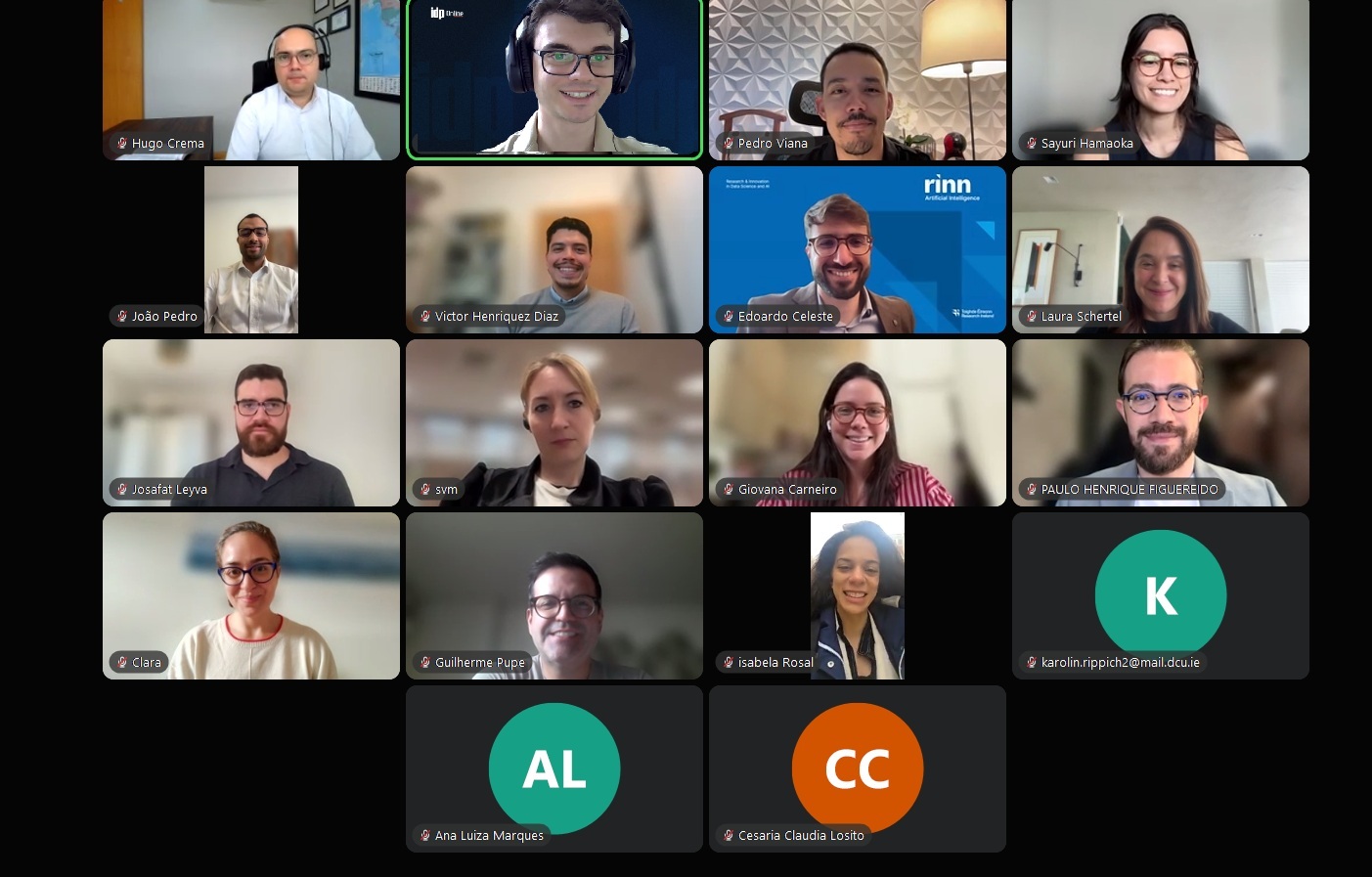
The teaching partnership involves several universities all over the world into common activities.
The Network
Digital constitutionalism describes the political process of entrenching rights and principles into the global governance of digital technologies, specifically the Internet. Digital constitutionalism does not describe actual legal constitutions but normative conversations about which rights and principles should govern the Internet – locally, nationally and globally.
The Digital Constitutionalism Network aims to systematically study the political, social, and legal processes involved in this field. The Network was created in late 2019 from a working group on digital constitutionalism supported by the Bochum-based Center for Advanced Internet Studies (CAIS). As of February 2020, the Network is comprised of members located at thirteen universities in Africa, Australia, North America and Europe.
We believe in sharing knowledge
A constantly updated data set of documents including declarations, bills of rights, charters and laws concerning Internet-related rights and governance principles.
The database contains documents drafted by civil society organisations, epistemic communities, international organisations, national governments, multi-stakeholder fora and parliaments.
The database may be used both as a tool for analysis and to take inspiration from previous initiatives in order to develop new documents or to adapt texts produced internationally in specific political and cultural contexts.
BLOG
We are proud to share that the Digital Constitutionalism Network’s Digital Bills of Rights Database
We are pleased to share that DCN member Nicola Palladino (University of Salerno) has contributed
We are pleased to share that DCN member Joanna Kulesza (University of Łódź) has co-authored
Events
WHO WE ARE
Get in touch with us to join our team of scholars, policy-makers and activists engaged in the study and advancement of digital constitutionalism.